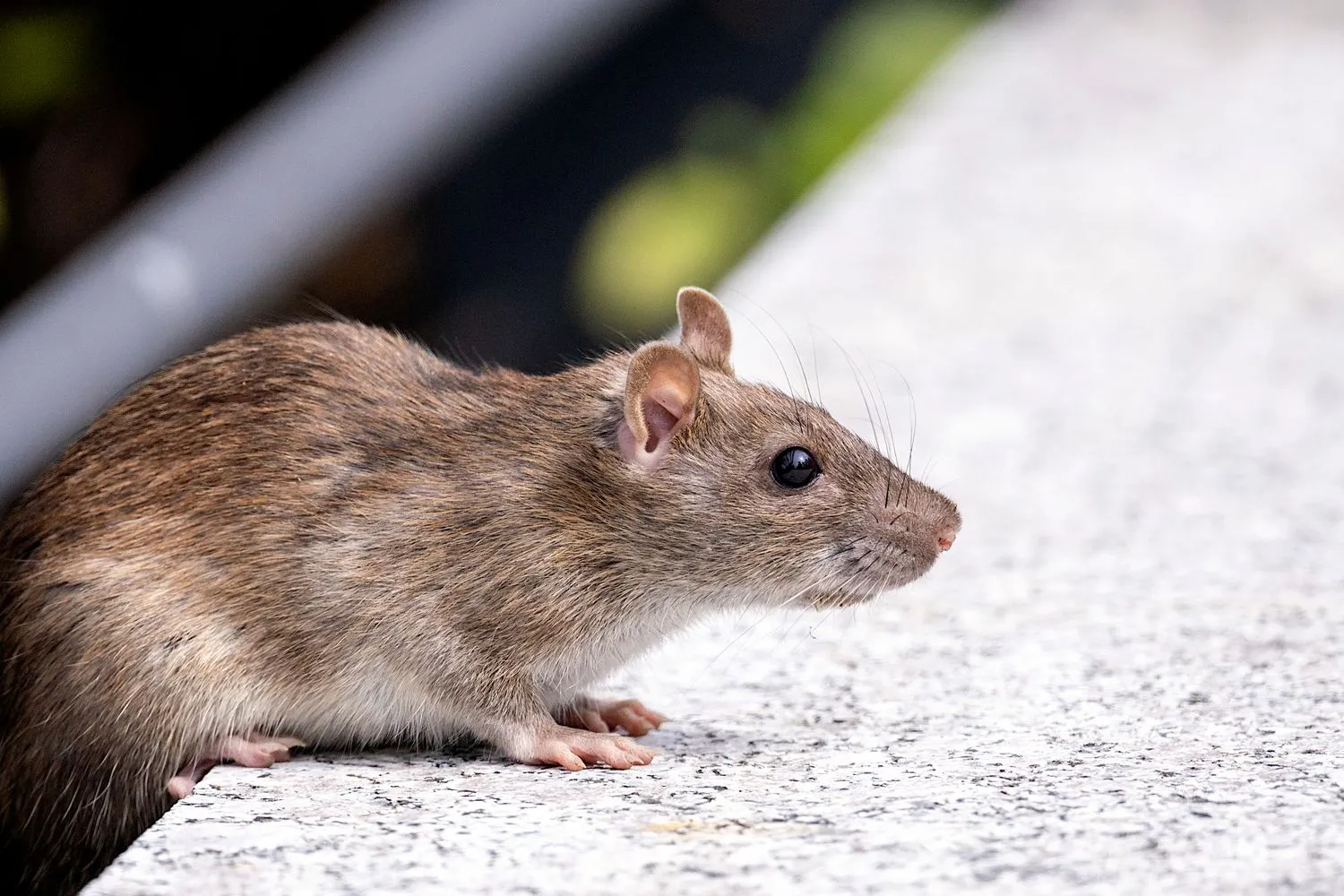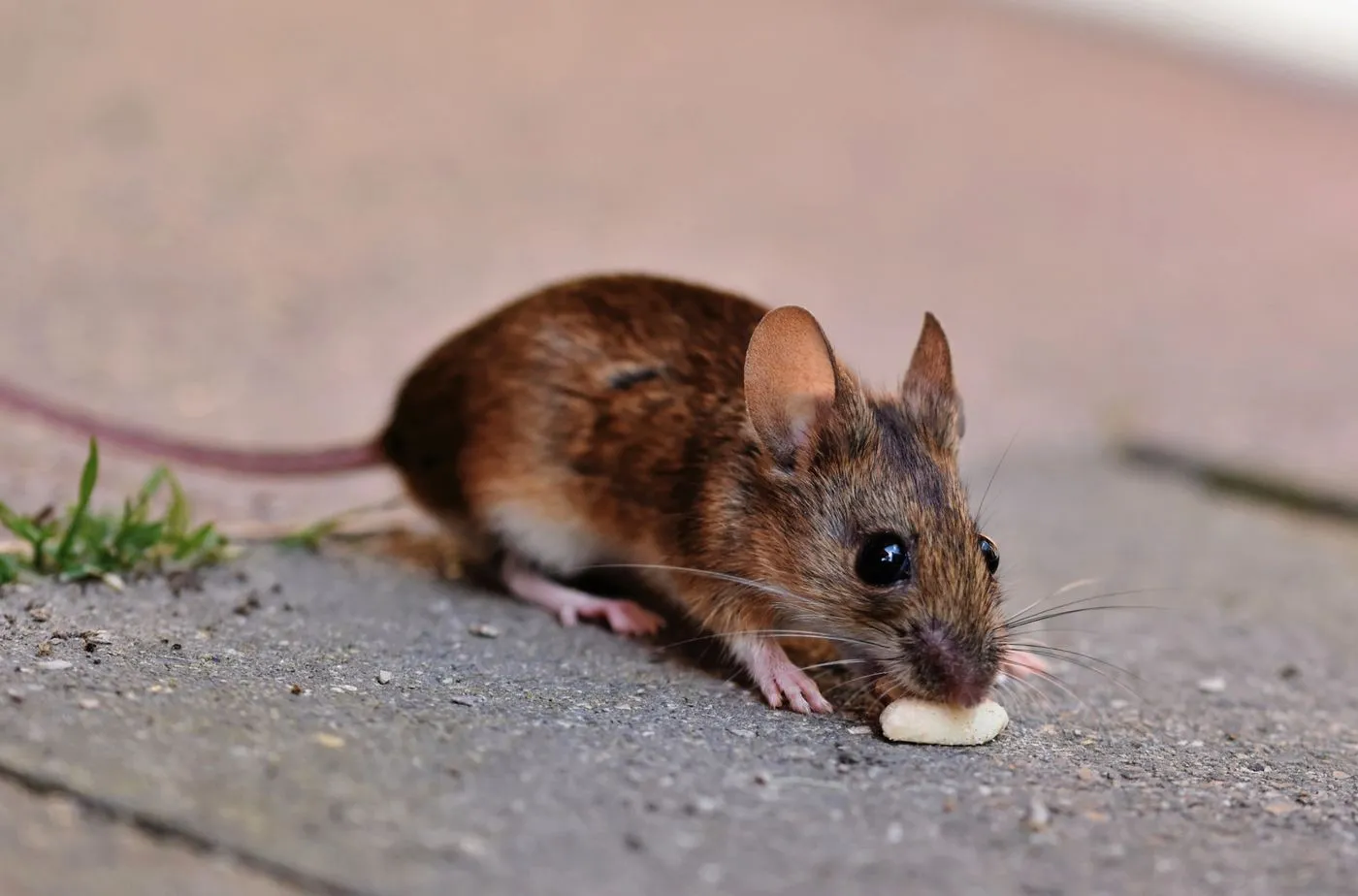
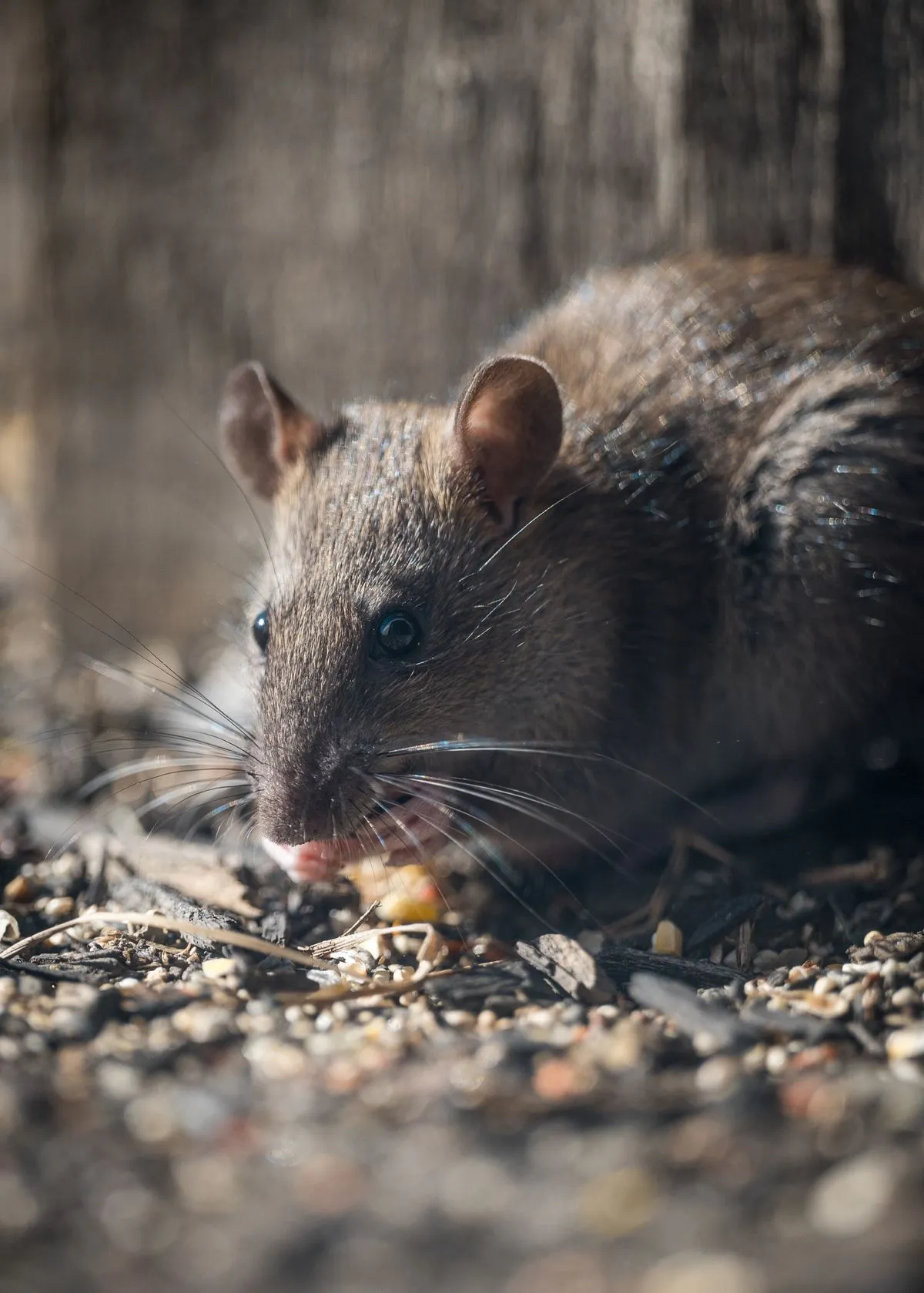
There are eight common signs of rats in an attic. Night noise, droppings, rub marks, worn paths, nests, gnawing, odors, and unusual pet behavior can show where rats live and how long they have been active.
Do not touch droppings, nests, or dead rodents with bare hands. Keep children and pets away from the area and request an inspection when the evidence covers more than one part of the attic.
1. Running and thumping after dark
Roof rats are active from sunset through the early morning. You may hear quick running on joists, a heavy landing on the ceiling, or material being dragged.
What it means: Regular night noise often means rats are living inside instead of making one short visit. Tap the ceiling once. Rodents often pause and begin moving again after the room is quiet.
2. Droppings along attic edges
Rat droppings are often about 12 to 18 millimeters long, close to the size of a coffee bean. They collect near walls, ducts, beams, and regular toilet areas.
What it means: Dark and soft droppings are fresh. Dry gray droppings are older. Many fresh droppings across several areas point to an established infestation.
Do not sweep dry droppings or use a home vacuum. Dust from rodent waste can enter the air during unsafe cleaning. Follow the Centers for Disease Control and Prevention rodent cleanup steps before handling droppings, nests, or dead rodents.
3. Dark rub marks on beams and pipes
Rats follow the same paths and press against edges as they move. Oil and dirt from their fur can leave dark marks on framing, pipes, and entry holes.
What it means: Thick rub marks build over time. The darkest area can help an inspector find the main route or entry point.
4. Paths pressed into insulation
Hold a light low across the attic floor. Regular rat travel can flatten loose or batt insulation into a visible path between an entry point, nest, and food area.
What it means: A clear runway helps place traps where rats already travel. Traps away from the route often stay empty.
5. Shredded nesting material
Roof rats use insulation, paper, cardboard, cloth, and dry plant material. The nest often sits in a quiet corner, soffit space, or warm area near a duct or wall.
What it means: A finished nest shows that the attic offers steady shelter. A nest with very fine material can point to breeding activity.
6. Gnawed wire, ducts, or stored boxes
Rats chew wood, plastic, cable covers, air ducts, irrigation lines, and boxes. Fresh gnaw marks look pale and rough. Older marks become darker.
What it means: Fresh damage proves current activity and can create a fire, water, or air-duct problem. Ask the right licensed trade to inspect damaged wire or plumbing after rat removal.
7. A musky or rotten odor
Rat urine can create a stale ammonia smell near the attic opening. A heavy rotten smell can come from a dead rat inside a ceiling or wall.
What it means: A strong urine smell points to repeated use of the space. A dead animal odor needs source removal when safe access is possible. Air spray alone does not remove the source.
8. A pet watches one wall or ceiling area
Dogs and cats can hear or smell rodents through drywall. A pet may stare, pace, or scratch near one ceiling or wall area.
What it means: The pet’s focus can narrow the first inspection area, but a full attic and outside check is still needed.
What to do after finding signs of rats
Take four steps after finding two or more signs:
- Keep people and pets out of the attic.
- Store pet food, bird seed, and dry goods in hard containers.
- Pick up fallen fruit and trim safe branches away from the roof.
- Book a roofline and attic inspection before cleaning or sealing.
Do not seal an active attic before removal. Trapped rats can chew into living areas or die inside a wall. Our rat control service covers species identification, attic rat trapping in Mission Viejo, exclusion, and cleanup. Read the roof rat and Norway rat guide when the species is unclear, then review rodent exclusion before closing roof or wall gaps. The RC Mission Viejo page explains the full process.
- #roof rats
- #attic
- #warning signs
- #inspection